Cuando perdemos una mascota querida, el dolor puede resultar insoportable. The house suddenly feels too quiet. The spot where they used to sleep looks painfully empty. And in those first raw moments, you might wonder: Will I ever feel okay again?
If you’re reading this through tears, know that you’re not alone. The grief you’re feeling is real, valid, and deeply human. En Pawmarkhub, we understand this journey intimately—it’s the very reason our brand exists. Seven years ago, when we lost our precious Dingdang, a four-pound Pomeranian who filled our lives with joy, we learned firsthand that pet loss isn’t just sadness. It’s a complex, multifaceted journey through grief that deserves recognition, compassion, and time.
Today, we want to walk alongside you through the seven stages of pet loss grief. This isn’t a roadmap with a fixed destination, but rather a compassionate guide to help you understand what you’re experiencing and remind you that healing, though it takes time, is possible.
Understanding Pet Grief: Why It Hurts So Much
Before we explore the stages, let’s acknowledge something important: losing a pet is losing a family member. Research consistently shows that the human-animal bond triggers the same attachment systems in our brains as our relationships with other humans [1]. When that bond is severed, our grief response is just as profound.
Dr. Caroline Fenkel, a licensed clinical social worker and grief specialist, emphasizes that “pet grief is hard to even talk about because it’s something that can be really, really devastating” [2]. Yet society often minimizes this pain. You might hear comments like “It was just a dog” or “You can get another one,” which can make you feel isolated in your grief.
But here’s the truth: your grief is legitimate. The depth of your pain reflects the depth of your love. And understanding the stages of grief can help you navigate this difficult journey with more self-compassion.
El 7 Stages of Pet Loss Grief
Grief is not a linear process. You won’t move neatly from one stage to the next, checking them off like items on a list. Instead, you might find yourself cycling through these stages, revisiting some multiple times, or experiencing several simultaneously. That’s completely normal. As Cornell University’s College of Veterinary Medicine notes, “responses to loss are as diverse as the people experiencing it” [3].
Stage 1: Shock and Denial
What it feels like: In the immediate aftermath of your pet’s death, you might feel numb, disconnected, or even strangely calm. Your mind may refuse to accept the reality. You might catch yourself thinking, “This can’t be real” or “I keep expecting them to walk through the door.”
What’s happening: Shock is your mind’s protective mechanism, a psychological buffer that prevents you from being overwhelmed by the full weight of your loss all at once. This stage can last anywhere from hours to weeks [3].
Common experiences:
•Feeling like you’re moving through a fog
•Disorganized thoughts or difficulty concentrating
•Going through the motions of daily life on autopilot
•Moments of disbelief: “Did this really happen?”
•Physical sensations of numbness or feeling outside your body
How to cope: Be gentle with yourself. This is not the time to “be strong” or suppress your emotions. Allow yourself to feel whatever comes up, even if it’s numbness. Lean on trusted friends or family members who can help with practical tasks while you process the initial shock.
Stage 2: Searching and Yearning
What it feels like: As the numbness begins to fade, an intense longing takes its place. You might find yourself constantly thinking about your pet, replaying memories, or even sensing their presence. Some people report hearing their pet’s collar jingle or seeing them out of the corner of their eye.
What’s happening: Your brain is struggling to accept that your pet is truly gone. This acute pining is a natural response to separation from someone you loved deeply [3].
Common experiences:
•Obsessive thoughts about your pet
•Dreams (or nightmares) featuring your pet
•Phantom sounds: hearing their bark, meow, or footsteps
•Intense emotional pain that comes in waves
•Bursting into tears at unexpected moments
•Physical symptoms: fatigue, changes in appetite, difficulty sleeping
How to cope: Create a dedicated space to honor your memories. Look through photos, write in a journal about your favorite moments together, or talk to friends who knew your pet. En Pawmarkhub, many of our customers find that beginning the process of creating a memorial keepsake during this stage—choosing photos, sharing their pet’s story—becomes a meaningful part of their healing.
Stage 3: Anger
What it feels like: Suddenly, the sadness might give way to anger. You might feel furious at the veterinarian, at yourself for not noticing symptoms sooner, at God or the universe for taking your pet away, or even at your pet for leaving you.
What’s happening: Anger is often grief’s way of masking deeper, more vulnerable emotions like helplessness and fear. It’s a natural reaction to the unfairness of loss [2].
Common experiences:
•Irritability with family members or friends
•Anger directed at the vet, even if they did everything possible
•Self-blame: “If only I had…”
•Resentment toward others whose pets are still alive
•Frustration with people who don’t understand your grief
How to cope: Recognize that anger is a normal part of grief, not something to be ashamed of. Find healthy outlets: physical exercise, writing an angry letter you never send, or talking to a therapist. Avoid making major decisions or having difficult conversations while in the grip of intense anger. Remember that this stage, like all others, will pass.
Stage 4: Bargaining
What it feels like: You might find yourself caught in a loop of “what if” and “if only” thoughts. “If only I had taken them to the vet sooner…” “What if I had chosen a different treatment?” You may even find yourself making deals with a higher power: “Please, if you bring them back, I’ll…”
What’s happening: Bargaining is an attempt to regain control in a situation where you feel powerless. It’s your mind’s way of trying to rewrite the story, to find a version where your pet is still here [2].
Common experiences:
•Replaying the events leading up to your pet’s death
•Obsessing over decisions you made or didn’t make
•Guilt that feels overwhelming
•Magical thinking: “Maybe if I do this, they’ll come back”
•Difficulty accepting that some things are beyond our control
How to cope: Practice self-compassion. Remind yourself that you made the best decisions you could with the information and resources you had at the time. If guilt is particularly intense, consider writing yourself a letter of forgiveness or speaking with a grief counselor who specializes in pet loss.
Stage 5: Depression
What it feels like: This is often the longest and most challenging stage. The reality of your loss settles in fully, and you may experience profound sadness, emptiness, and despair. Getting out of bed might feel impossible. Activities you once enjoyed may hold no appeal.
What’s happening: Your mind is finally confronting the full weight of the loss. This deep sadness is not a sign of weakness—it’s a sign that you loved deeply [2].
Common experiences:
•Persistent sadness or crying spells
•Social withdrawal and isolation
•Loss of interest in activities
•Changes in sleep patterns (insomnia or oversleeping)
•Changes in appetite (eating too much or too little)
•Difficulty concentrating or making decisions
•Feelings of emptiness or hopelessness
How to cope: This is a critical time to reach out for support. Talk to friends who understand, join a pet loss support group, or consider working with a therapist. Maintain basic self-care routines even when you don’t feel like it—eat regularly, get some sunlight, move your body gently. Many people find comfort in creating a memorial during this stage, transforming their grief into something tangible and beautiful.
When to seek professional help: If you’re experiencing thoughts of self-harm, if your depression is interfering with your ability to function for more than a few weeks, or if you’re turning to unhealthy coping mechanisms like excessive alcohol use, please reach out to a mental health professional. Resources like the Association for Pet Loss and Bereavement offer free support groups, and services like Lap of Love provide one-on-one grief counseling.
Stage 6: Disorganization and Reconstruction
What it feels like: You’re beginning to emerge from the depths of depression, but life still feels off-balance. You’re learning to navigate daily routines without your pet, and it can feel disorienting. Coming home to an empty house, going on walks alone, or not having someone to feed—these “firsts” can be painful.
What’s happening: You’re in the process of rebuilding your life around the absence of your pet. This requires learning new patterns and coping skills [3].
Common experiences:
•Feeling lost or disorganized in daily routines
•Struggling to fill the time you used to spend caring for your pet
•Questioning your identity: “Who am I without them?”
•Moments of progress followed by setbacks
•Beginning to think about the future, even if tentatively
How to cope: Be patient with yourself as you establish new routines. This is a time of experimentation—trying new activities, reconnecting with hobbies, or finding new ways to honor your pet’s memory. Some people find meaning in volunteering at animal shelters or making donations to veterinary causes in their pet’s name.
Stage 7: Acceptance and Hope
What it feels like: Acceptance doesn’t mean you’re “over” your pet’s death or that you’ll never feel sad again. Instead, it means you’ve integrated the loss into your life. You can remember your pet with more smiles than tears. You can talk about them without falling apart. You’re able to reinvest in life and relationships.
What’s happening: You’ve learned to live with the loss. The intensity of the pain has softened, though waves of grief may still wash over you at times—and that’s okay [3].
Common experiences:
•Cherishing memories without being overwhelmed by sadness
•Finding joy in life again
•Being able to look at photos or talk about your pet with fondness
•Considering opening your heart to another pet (when and if you’re ready)
•Feeling grateful for the time you had together
•Using your experience to help others who are grieving
How to cope: Honor your journey. Celebrate the progress you’ve made. Continue to keep your pet’s memory alive in ways that feel meaningful—whether that’s through a memorial keepsake, an annual ritual, or simply sharing stories about them with loved ones.
Important Truths About Grief
As you navigate these stages, keep these truths close to your heart:
Grief is not linear. You won’t move through these stages in order, and you may revisit stages you thought you’d left behind. A song, a smell, or a random memory can send you back to earlier stages, and that’s completely normal.
There’s no timeline. Well-meaning people might suggest you should be “over it” by now, but grief doesn’t follow a schedule. Some people begin to feel acceptance within weeks; for others, it takes months or even years. Both are valid.
Grief comes in waves. You might have days where you feel almost normal, followed by days where the pain feels as fresh as day one. This is the nature of grief—it ebbs and flows.
Your grief is unique. How you grieve will be influenced by many factors: the circumstances of your pet’s death, your relationship with them, your support system, and your personal history with loss. Don’t compare your grief to anyone else’s.
Healing doesn’t mean forgetting. Moving forward doesn’t mean leaving your pet behind. You can carry their memory with you while still opening yourself up to joy and new experiences.
Honoring Your Pet’s Memory: The Role of Memorial Keepsakes
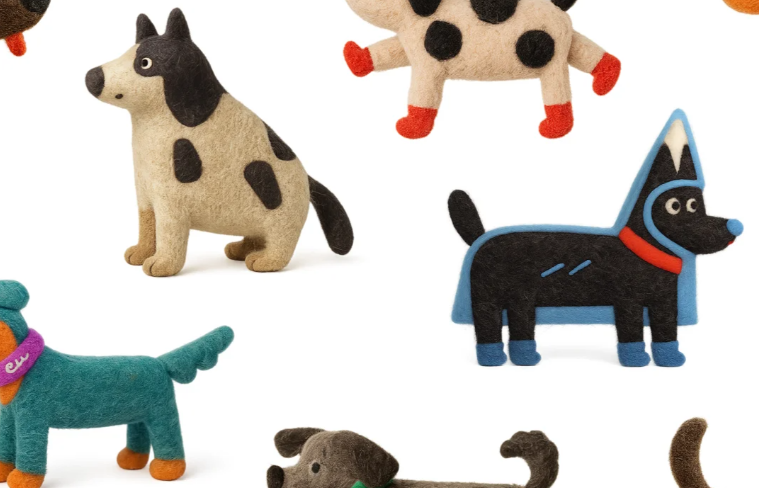
En Pawmarkhub, we believe that tangible memorials can play a powerful role in the healing process. When my wife created that first felted figure of Dingdang—capturing her burnt caramel fur, her fluffy tail, and that guilty look in her eyes—something shifted. It wasn’t just a craft project. It was a way of saying, “Your presence in my life mattered. You will not be forgotten.”
Research supports this instinct. Creating or receiving a memorial keepsake can help with grief in several ways:
•Provides a tangible connection: When everything else about your pet is gone, having something you can touch and hold can be deeply comforting.
•Validates your grief: The act of creating a memorial says, “This loss is significant. This love deserves to be honored.”
•Offers a focus for your grief: Choosing photos, sharing your pet’s story, and making decisions about the memorial can give structure to the chaotic emotions of early grief.
•Creates a lasting tribute: Unlike flowers that wilt or sympathy cards that get tucked away, a memorial keepsake remains—a permanent testament to your pet’s place in your life.
Whether it’s a custom blanket featuring your pet’s image, a paw print necklace you can wear close to your heart, or a 3D crystal that captures their spirit, these keepsakes serve as bridges between the past and the present, between grief and healing.
Practical Strategies for Coping with Pet Loss
Beyond understanding the stages of grief, here are concrete strategies that can help you through this difficult time:
1. Create Rituals of Remembrance
Rituals provide structure and meaning during chaotic times. Consider:
•Lighting a candle on special dates (your pet’s birthday, adoption day, or the anniversary of their passing)
•Creating a memory box with their collar, favorite toy, and photos
•Planting a tree or flowers in their honor
•Writing letters to your pet
•Making a donation to an animal shelter in their name
2. Talk About Your Pet
Don’t let others’ discomfort silence you. Keep your pet’s memory alive by:
•Sharing stories with friends who knew them
•Posting memories on social media (if that feels right)
•Joining online pet loss communities where others understand
•Saying their name out loud—they existed, and that matters
3. Take Care of Your Physical Health
Grief takes a physical toll. Support your body by:
•Maintaining regular sleep schedules (even if sleep is difficult)
•Eating nutritious meals, even when you don’t feel hungry
•Moving your body gently—walks, yoga, or stretching
•Limiting alcohol and avoiding other substances as coping mechanisms
•Staying hydrated
4. Seek Support
You don’t have to go through this alone:
•Lean on friends and family who understand
•Join a pet loss support group (many are available online)
•Consider working with a therapist who specializes in grief
•Connect with others who have experienced pet loss
•Call a pet loss hotline when you need immediate support
5. Be Patient with Yourself
Healing takes time. Give yourself permission to:
•Have bad days, even after you’ve had good ones
•Cry when you need to
•Say no to social obligations when you’re not ready
•Take time off work if you need it
•Grieve in your own way, on your own timeline
When Others Don’t Understand
One of the most painful aspects of pet grief is when others minimize your loss. You might hear:
•”It was just a dog/cat.”
•”You can get another one.”
•”At least it wasn’t a person.”
•”Aren’t you over that yet?”
These comments, though often well-intentioned, can feel like a punch to the gut. Here’s what you need to know: your grief is valid, regardless of what others think. The depth of your pain reflects the depth of your love, and that love was real.
If you’re facing dismissive attitudes:
•Seek out people who understand (other pet owners, support groups)
•Set boundaries with those who minimize your grief
•Remember that their discomfort with your grief is their issue, not yours
•Don’t let anyone rush your healing process
A Question Many Ask: When Is It Okay to Get Another Pet?
There’s no universal answer to this question. Some people feel ready within weeks; others need months or years; some decide not to have another pet at all. All of these choices are valid.
Getting another pet is not about “replacing” the one you lost—that’s impossible. Each animal is unique and irreplaceable. Instead, it’s about opening your heart to a new relationship when and if you feel ready.
You might be ready when:
•You can think about your lost pet with more fondness than pain
•You feel you have emotional capacity for a new relationship
•You’re motivated by love for animals, not just trying to fill a void
•You’ve worked through the most intense stages of grief
You’re probably not ready if:
•You’re still in the depths of depression
•You’re hoping a new pet will make the pain go away
•You feel pressured by others
•You’re comparing every potential pet to the one you lost
Remember: getting another pet doesn’t mean you loved your previous pet any less. Your heart has room for both the memory of the one you lost and love for a new companion.
Finding Meaning in Loss
While nothing can make the loss of your pet “worth it,” many people eventually find that their grief transforms them in unexpected ways. You might discover:
•Deeper compassion: Having experienced profound loss, you may find yourself more empathetic to others’ pain.
•Greater appreciation: You might cherish your remaining relationships more deeply, knowing how precious and fragile they are.
•New purpose: Some people channel their grief into volunteering, advocacy, or supporting others through pet loss.
•Spiritual growth: Grappling with loss can deepen your understanding of life, death, and what matters most.
This doesn’t make the loss okay, but it can help you find meaning in your pain.
A Message from Our Hearts to Yours
If you’re in the midst of pet loss grief right now, we want you to know: we see you. We understand. And we’re holding space for your pain.
When we lost Dingdang, we learned that grief is not something to “get over”—it’s something to move through. And on the other side of that journey, we found a way to honor her memory by helping others do the same.
Every custom keepsake we create at Pawmarkhub is made with the understanding that we’re not just crafting a product—we’re creating a vessel for love, memory, and healing. When you share your pet’s story with us, when you send us photos and tell us about that little scar above their ear or the way they tilted their head when they were curious, you’re trusting us with something sacred. We don’t take that lightly.
Your pet mattered. Your grief is real. And your love—that beautiful, powerful love you shared—that’s forever.
Resources for Pet Loss Support
If you need additional support, these organizations offer compassionate help:
•Association for Pet Loss and Bereavement: Free virtual support groups
•Lap of Love: One-on-one grief counseling sessions
•Gateway Services: 24/7 grief support with trained counselors
•Cornell University Pet Loss Support Hotline: Staffed by veterinary students trained in grief counseling
•Charlie Health: Mental health support for those struggling with intense grief
Final Thoughts: Love Never Dies
Grief is the price we pay for love, and if you’re paying that price right now, it means you loved deeply and well. Your pet was lucky to have you, just as you were lucky to have them.
As you move through the stages of grief—shock, yearning, anger, bargaining, depression, disorganization, and eventually acceptance—remember that healing doesn’t mean forgetting. It means learning to carry your love forward, even as you learn to live without their physical presence.
En Pawmarkhub, we believe that love doesn’t die when a pet leaves. It transforms—into wool, into thread, into a little piece of forever that you can hold close to your heart.
Dingdang taught us that. And now, we’re honored to help you honor your own beloved companion.
You’re not alone in this. And your pet’s memory will live on—in your heart, in your stories, and in whatever way you choose to keep their spirit alive.
With compassion and understanding,
The Pawmarkhub Team
If you’d like to create a memorial keepsake to honor your pet’s memory, we’d be honored to help. Explore our custom memorial options or share your pet’s story with us. Every detail matters, and we’re here to help you capture their spirit and keep their love forever.